Key Takeaways
- Patient portals in healthcare extend the value of the electronic health record (EHR) into daily workflows.
- Secure healthcare messaging and digital patient check-in help staff members save time and improve documentation accuracy.
- Key features of patient portals support care coordination, compliance, and increasing patient engagement.
- Cloud-based patient portal software plays a critical role in modern medical practice management.
- Thoughtful implementation supports long-term efficiency and helps improve patient outcomes.
A More Structured Approach to Everyday Communication
Healthcare practices manage a constant flow of information, from lab results and refill requests to patient questions and documentation updates. Traditional communication methods often fragment this information and introduce delays that affect both staff members and patients.
Patient portals in healthcare create a more structured and reliable approach. Instead of relying on disconnected channels, providers can manage communication within a secure, cloud-based system that connects directly to the electronic health record (EHR) system and centralizes patient records.
Digital access has also become an expectation. Research shows that more than 75% of individuals had access to their medical records online in 2024. This shift reflects increasing patient demand for timely, accessible information across healthcare practices.
This approach allows organizations to save time, reduce inefficiencies, and maintain clear, documented communication across the care team.
Defining the Patient Portal in a Clinical Context
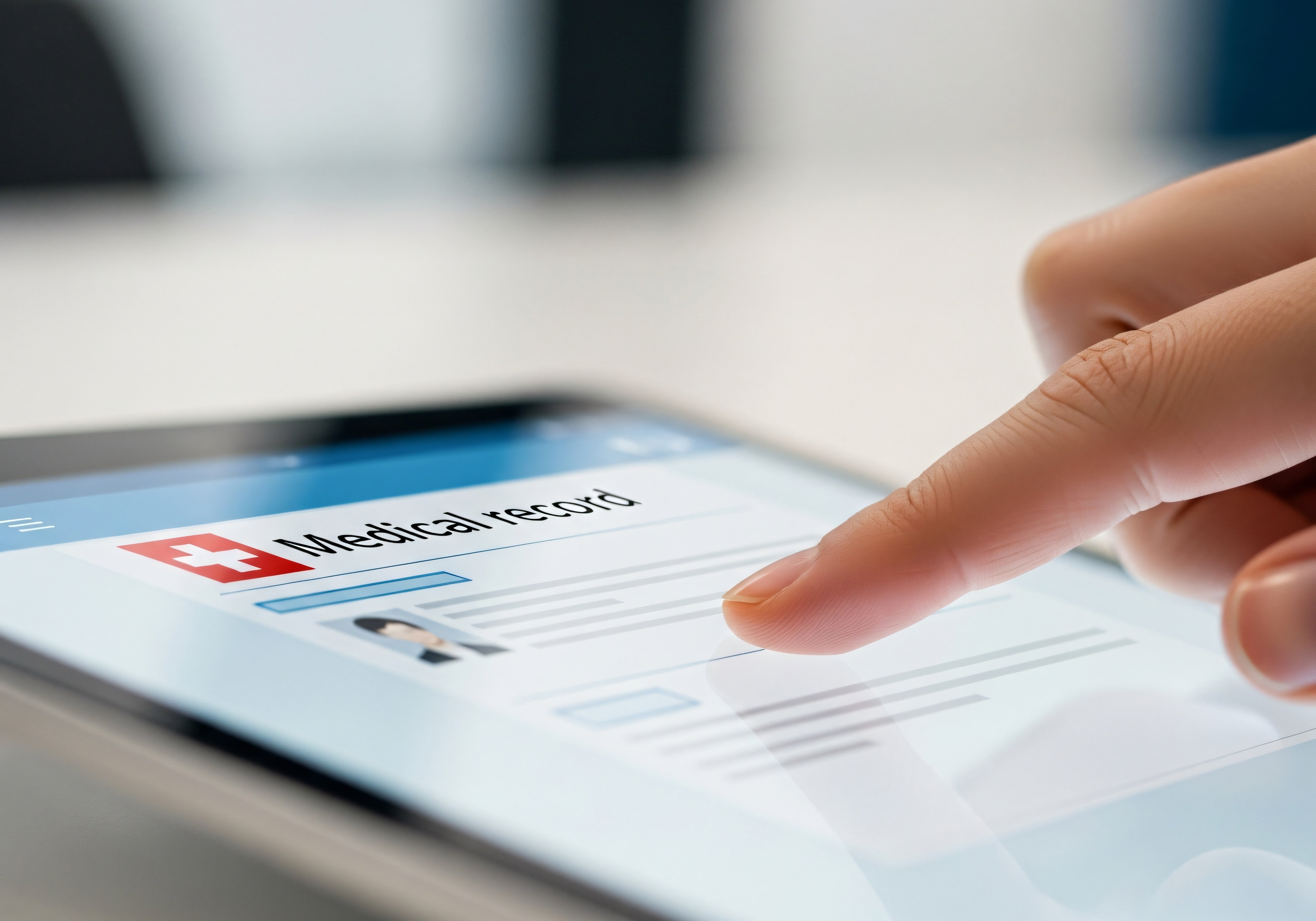
A clear definition of the patient portal is essential for understanding its role in modern healthcare delivery. A patient portal is a secure digital platform that connects patients to their health information through the EHR, while supporting providers in managing patient communication, documentation, and workflows.
Key features of patient portals typically include:
- Access to encounter notes, medications, and allergy lists within patient records
- Secure healthcare messaging that functions as a patient communication app
- Lab and diagnostic result delivery
- Electronic patient check-in and digital patient check-in workflows
- Appointment scheduling and reminders
Because the portal integrates directly with clinical systems, it maintains a single, accurate source of truth and supports informed decisions across the care team.
Improving Communication Through Healthcare Messaging
Healthcare messaging can become inefficient when organizations rely on phone calls. Messages may be delayed, sent to the wrong person, or not documented, which adds to administrative work and disrupts daily workflows.
Patient portals help solve this by enabling secure messaging. Providers can review and respond to messages directly within the EHR, ensuring each interaction is recorded and easy to track.
As communication demands grow, structured messaging becomes essential. Automated, secure messaging can reduce phone call volume, allowing administrative staff to focus on higher-value clinical and administrative tasks. One health department even saved 2 hours a day using these messaging features.
This approach helps staff members save time, reduces interruptions, and supports more consistent communication across healthcare practices.
Operational Efficiency in Practice Management
Patient portals improve efficiency in everyday workflows. These small changes help support better practice management and long-term operations.
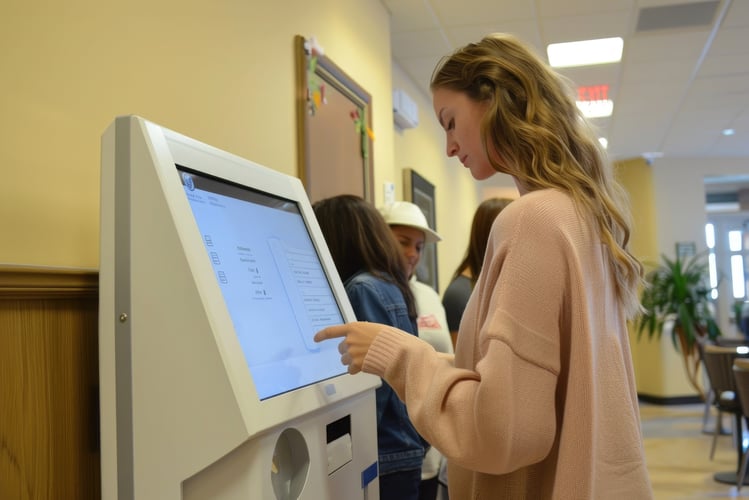
Digital patient check-in allows patients to complete forms before arrival, reducing front-desk workload, reducing wait times, and improving the patient experience. These workflows ensure that providers have accurate, complete information before the visit begins.
Structured refill requests eliminate voicemail backlogs. Pre-visit documentation allows providers to review relevant patient records in advance, improving the quality of each encounter.
These capabilities demonstrate how patient portals improve efficiency in therapy practices and broader healthcare settings. They reduce administrative friction, improve documentation accuracy, and contribute to improved patient outcomes.
Supporting Patient Engagement Without Disrupting Workflows
Patient engagement remains a priority across healthcare practices, but organizations must balance engagement with operational sustainability.
Patient engagement solutions, including patient portals, support increasing patient participation by providing access to health information through a secure platform. Patients can review results, submit requests, and stay connected to their care team using their cell phone, tablet, or computer.
National adoption trends reflect this shift. According to the Office of the National Coordinator for Health IT, more than half of patients accessed their online medical records in recent years.
These workflows help providers support care without adding extra administrative work. Clear communication and thoughtful system design allow staff members to stay efficient while delivering patient-centered care.

Advantages of Patient Portals Across Roles
Clinical Staff
For clinical staff, including nurses, patient portals streamline communication and daily workflows. Nurses can review messages, respond to patients, manage refill requests, and document interactions directly in the EHR.
Practice Administrators
Patient portal solutions support scheduling efficiency, reduce no-show rates, and improve financial performance through accurate documentation and automated workflows.
IT Teams
A patient portal built into an EHR supports seamless integration, data security, and system reliability, ensuring that healthcare practices maintain compliance and operational stability.
Patients
Patients benefit from faster responses, clearer guidance, and better access to their health information, helping them stay engaged and prepared for care.
Benefits and Considerations of Patient Portals
Understanding the benefits and limitations of patient portals helps organizations implement them effectively.
Benefits
- Streamlined communication through secure healthcare messaging
- Improved efficiency that saves time for staff members
- Enhanced patient engagement and access to patient records
- Support for compliance, reporting, and long-term care coordination
Considerations
- Organizations must design workflows to manage increasing patient communication volume
- Some populations may face barriers to digital access
- Staff training and adoption require ongoing support
A balanced approach ensures that patient portals deliver value without introducing new challenges.
Selecting the Right Patient Portal Software
Healthcare organizations evaluating patient portal vendors should focus on alignment with clinical, operational, and technical needs.
Key considerations include:
- Seamless integration with EHR and practice management systems
- Cloud-based infrastructure for accessibility and scalability
- Usability for both staff members and patients
- Security, privacy, and compliance capabilities
- Interoperability with EHR systems
The best patient portal software supports efficient workflows while enabling long-term growth. Leading patient portal vendors design solutions that align with real-world healthcare practices.
The Future of Patient Portal Solutions
Patient portals are becoming an important part of digital health. They help healthcare practices manage communication, patient engagement, and care coordination in one place.
As these tools continue to evolve, they will better connect systems, share information more quickly, and improve access through mobile devices. This will help healthcare practices provide more connected and responsive care.
For providers, the goal is straightforward. Technology should make workflows easier, support informed decisions, and help improve patient outcomes without adding extra complexity.
When used thoughtfully, patient portals help organizations move toward a more efficient and connected future.