

Our Commitment to Public Health
Provide essential care to your community members with a public health EHR. With tools and user groups designed to help health directors, clinical staff, and practice administrators alike, you can focus on those you serve. Access public health clinical tools, support care coordination, auto-populate forms and reports, and meet funding requirements with our public health software. We commit to being your partner and foundation for care.

Top Patient Management Software

Health Directors
Oversee your health department in our management dashboard. Pull clinical, financial, and population health data for stakeholders, boards of health, or county commissioners.

Community Health Workers
Support whole-person care, address social determinants of health, and provide care coordination. With patient referral orders and public health case management software, you can document and track referrals to resources like WIC, housing, transportation, and food.

Clinical Staff
Reduce stress with time-saving features built for public health, like Medication Inventory, ePrescribe, and Caseload Management. Our tools make day-to-day clinical tasks easier and more organized.

Practice Administrators
Save time with automated tasks like appointment reminders and recalls. Exchange patient records, limit no-shows, and accelerate reporting with our integrated public health program management software.

Medical Billers & Coders
With the billing portion of our integrated solution, decrease claim denials, increase revenue, and enjoy a simplified medical billing process with an included clearinghouse to make insurance verification easy.

Explore Efficiencies for Your LHD With Smart EHR Technology
Our team will walk you through the functionality of Patagonia Health to transform your team’s day-to-day patient management and administrative functions.
Public Health Clinical Tools

Communicable Disease
Document TB testing, treatment, contact tracing, and DOT. Manage STI/STD and HIV programs with templates and forms for encounter note documentation, care planning, intervention and recovery plans, treatment adherence notes, and more.

Immunizations & Mass Vaccinations
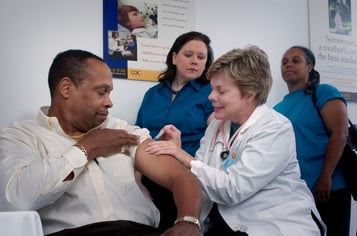
Administer vaccines quickly, view patient histories, access immunization reports, and update demographics while eliminating duplicate entries and enhancing your LHD’s billing workflows.

Maternal Child Health (MCH)
Easily complete reporting and encounter notes for your MCH programs, Title V and Title X reports, and FPAR 2.0 reporting by pulling them directly from our EHR. Additionally, support Prenatal Care Coordination Services (PNCC) with our solutions.

Medication Management
Dispense and track medication and vaccine inventory by funding sources (e.g., 340b, VFC, or private). Electronic Prescribing of Controlled Substances (EPCS) and E-prescribe (eRX) allow prescriptions to be printed or electronically sent to pharmacies.

Health Screenings & Assessment Forms
Easily conduct health screenings with oral health and hearing/vision screening applications. To provide integrated care services, access our customizable behavioral health forms and assessments.

Additional
Support smoking cessation, Non- Emergency Medical Transport (NEMT) programs, and more. Provide behavioral health services with individual and group progress notes, telehealth, and case management tools.
An EHR That Makes a Difference

Lives Covered
.svg)
Counties Served

In Claims Processed

Retention
Supporting Social Determinants of Health
Addressing social determinants of health is essential to advancing population health, health equity, and community health improvement. As public health departments adopt Public Health 3.0 frameworks and equity-driven public health strategies aligned with Healthy People 2030, having the right technology matters.
Patagonia Health supports community-based public health approaches by integrating with SDOH hubs to help departments identify, document, and respond to health-related social needs. By enabling integrated screenings and closed-loop referrals, we support health equity efforts.

Benefits of Partnering With Patagonia Health
Experience a true partner who listens and works collaboratively with you to achieve your goals. Gain access to a team of experts who know public health programs and workflows, including Certified Professional Coders.
.png?width=1800&height=563&name=Public%20Health%20programs%20(1).png)
Explore Our Comprehensive Practice Management Features
We’re focused on saving your team time with automated tasks for patient outreach, streamlined registration, and scheduling, plus decreased doublework thanks to linked documentation. Check out the practice management features that make up our complete EHR system.

A State-Wide EHR for Public Health
As your organization grows, we can scale with you. Our electronic medical record management solutions are also used by state-wide systems and multi-location county health departments.

FEATURED RESOURCE
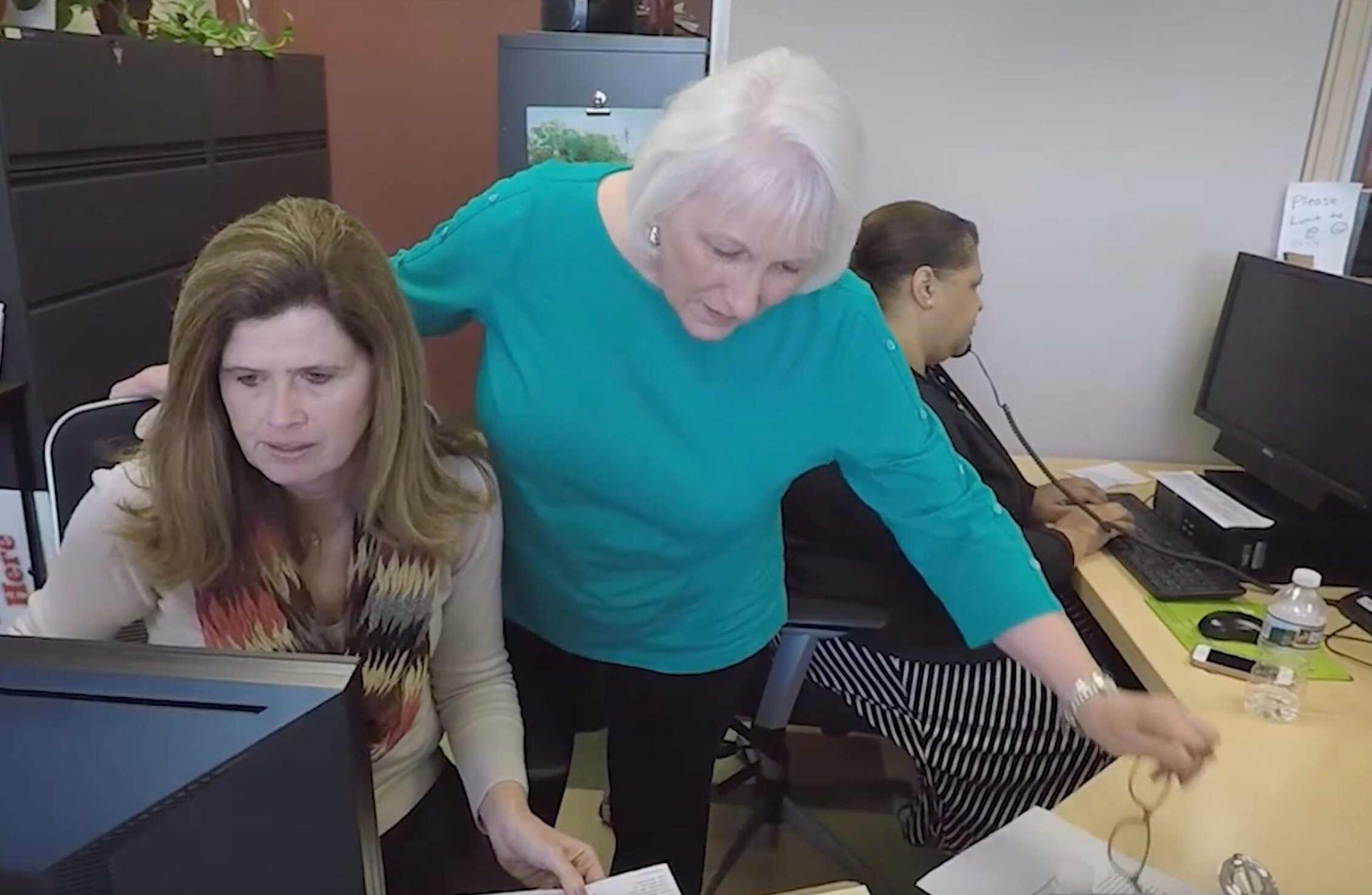
Integrate One System With Many Services
Public health professionals from Harford County Health Department in Maryland share how Patagonia Health’s public health EHR supports behavioral health services within their organization.
FEATURED RESOURCE
Top 7 EHR Functionalities for Public Health
Public health organizations benefit from EHR functionalities tailored to support their specific programs and services. Rather than relying on a generic EHR, enhance provider and patient experiences and support your admin staff with solutions built for you. Download our eBook on the seven essential features to look for in a public health EHR.

Relevant Resources from Our Team

Recognized for Our Technology
Top COVID-19 Risk Assessment and Public Health Decision-Making Tool

Top EMR Software

Need guidance?
Schedule a free 20-minute consultation.
Have questions about how Patagonia Health can meet your needs? Our team of experts is ready to help.