Key Takeaways
- Public health emergency preparedness is the process of planning, coordinating, and responding to health threats that impact communities.
- Health departments prepare for emergencies such as disease outbreaks, severe weather, power outages, community violence, and cyberattacks.
- Data and electronic health record (EHR) systems enable real-time decision-making, help identify vulnerable populations, and support continuity of care during emergencies.
- Equity, secure data systems, and ongoing training strengthen emergency response and ensure communities receive timely, effective support.
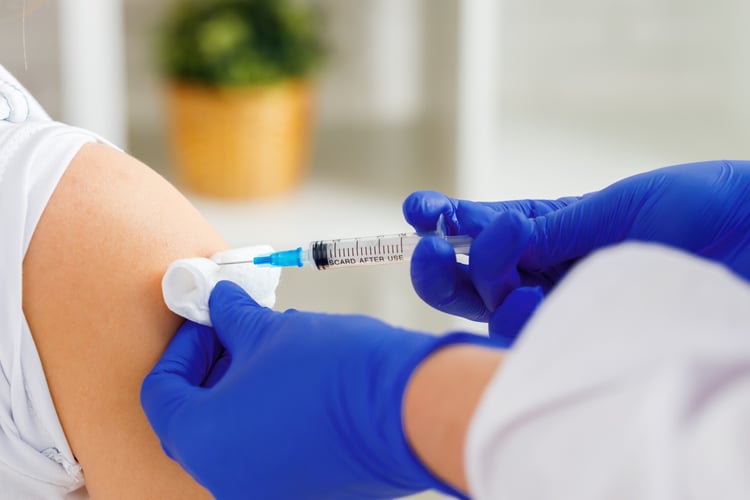
On an ordinary morning, a local health department might be preparing for routine immunization clinics or reviewing community health data. By afternoon, the same team could be coordinating an outbreak investigation, organizing emergency vaccination sites, responding to a cyber incident, or supporting a community affected by violence or severe weather.
Public health emergencies rarely arrive with warning. The organizations that respond most effectively are those that prepare well in advance of a crisis.
The Centers for Disease Control and Prevention (CDC) defines public health emergency preparedness as the process of planning, coordinating, and strengthening systems so communities can withstand, respond to, and recover from health threats. From infectious disease outbreaks to natural disasters, power outages, community violence, and cyberattacks, preparedness allows health departments to protect both individual patients and population health.
What Is a Public Health Emergency?
A public health crisis is defined as any event in which a health threat poses a serious risk to a community's safety or well-being. These emergencies may include:
- Infectious disease outbreaks
- Natural disasters and severe weather events
- Environmental hazards
- Community violence and behavioral health crises
- Cyberattacks on health information systems
During these events, rapid coordination is essential. Health and human services organizations often serve as the central organizing bodies, bringing together healthcare providers, laboratories, emergency responders, and community partners.
Preparedness ensures that when a crisis occurs, teams already understand their roles, communication pathways, and response strategies.
How Health Departments Build Emergency Preparedness and Resilience
Resilience means more than responding to emergencies. It reflects true health department readiness, where systems can recover quickly in the face of disruptions. The National Association of County and City Health Officials (NACCHO) offers helpful guides for readiness evaluation.
Comprehensive Preparedness Planning
Effective preparedness begins with all-hazards response planning. These plans outline procedures for responding to a wide range of emergencies, including disease outbreaks, natural disasters, community violence, and system disruptions.
Technology planning is also critical. Health departments should work with electronic health record vendors that support strong EHR emergency preparedness, including disaster recovery and contingency planning.
Workforce Training and Exercises
Preparedness plans must be practiced regularly. Simulations and emergency response exercises help staff build confidence and identify gaps before a real event occurs.
Secure Communication and Data Sharing
During emergencies, information must move quickly and securely. Interoperable systems allow teams to share alerts, track cases, and coordinate disaster response and public health efforts across organizations. Some certifications to look for are HITECH and ONC Promoting Interoperability.

Using Data to Identify and Support At-Risk Populations
Preparedness is not only about responding quickly. It is also about knowing who may need help before an emergency occurs.
Many vulnerable individuals rely on electricity-dependent medical equipment such as oxygen concentrators or ventilators. During power outages or disasters, these patients face immediate and serious health risks.
Historically, health departments lacked a systematic approach to identifying and supporting these populations. However, using the data in your EHR can help you make better, more informed decisions for these public health programs.
This type of insight allows health departments to:
- Proactively identify medically vulnerable populations
- Prioritize outreach and emergency support
- Coordinate sheltering and other services
- Inform power restoration priorities
When expanded across multiple data sources, this approach can provide a more complete picture of community health needs and strengthen both emergency response and long-term resilience.
Why Equity Strengthens Emergency Preparedness
Health emergencies rarely affect communities equally. Language barriers, transportation challenges, housing instability, and limited access to healthcare can increase vulnerability during crises.
Health equity-focused preparedness includes:
- Engaging community partners early
- Providing multilingual emergency communication
- Ensuring accessible shelters and services
- Coordinating with organizations serving high-risk populations
Data plays an important role here as well, helping identify gaps and ensure resources reach those most in need.
Weather-Related Emergencies and Public Health Response
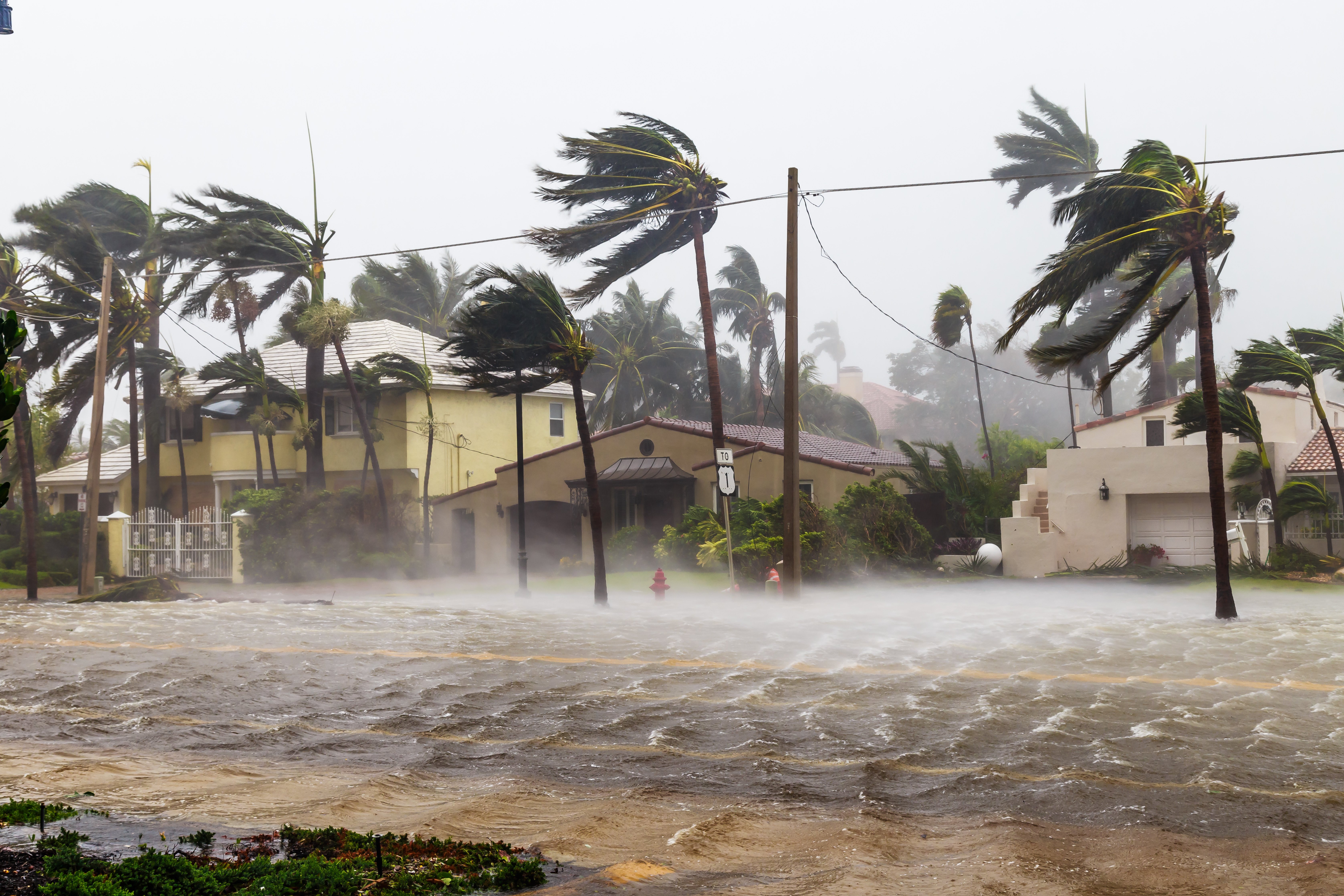
Severe weather events such as hurricanes, floods, and extended power outages present complex challenges for health departments and healthcare organizations.
Even when a community is not directly impacted, disruptions to infrastructure, supply chains, and utilities can create significant downstream effects.
Common Public Health Impacts of Severe Weather
- Power outages affecting medical equipment
- Displacement of patients and interruption of care
- Medication and vaccine supply disruptions
- Increased demand for emergency and shelter-based care
- Limited transportation and access to services
The Importance of Continuity Planning
Weather-related emergencies highlight the importance of maintaining continuity of care. Patients who are displaced or unable to reach their usual providers still require access to medical history, medications, and ongoing treatment.
Health departments and clinics benefit from systems that allow them to:
- Access patient records anywhere there is internet access or a hotspot
- Track medication and vaccine inventory in real time
- Coordinate care across locations and mobile clinics
- Continue operations despite infrastructure disruptions
These capabilities help minimize gaps in care and support more effective response efforts during and after severe weather events.
How Electronic Health Record Systems Support Emergency Preparedness
Electronic health record (EHR) systems provide the digital infrastructure that supports public health emergency management and response.
Real-Time Data for Rapid Decision Making
Cloud-based EHR systems provide dashboards and reporting tools that allow leaders to monitor trends, track cases, and allocate resources efficiently.
Interoperability and Data Exchange
Standards such as HL7 and FHIR support secure data exchange between health departments, laboratories, and partner organizations.
Built-In Tools for Emergency Response
Modern systems may include:
- Incident tracking
- Mass vaccination management
- Contact tracing workflows
- Automated reporting
Supporting Continuity During Disasters
In the aftermath of hurricanes or other large-scale events, EHR systems help organizations:
- Maintain medication and immunization inventory visibility
- Support displaced patients through SDOH hubs
- Continue delivering care without interruption
Even when a disaster occurs outside a local region, disruptions can still impact care delivery, making connected systems essential.
Scalability and Mobile Access
Cloud-based systems allow staff to operate from temporary clinics, shelters, or mobile units.
Security and Data Protection
Strong security measures protect sensitive patient information, even during high-pressure emergency situations.
Addressing Community Violence as a Public Health Emergency
Not all emergencies are caused by natural disasters. Community violence is increasingly recognized as a public health issue that requires coordinated response and long-term support.
Health organizations play a critical role in addressing both immediate and long-term impacts.
How EHR Systems Support Community Response
EHR tools can help organizations:
- Track incidents and identify trends
- Support reporting to state and federal agencies
- Enable data-driven funding and policy decisions
Supporting Behavioral Health and Trauma Recovery
Survivors of violence may experience long-term effects such as PTSD, anxiety, or cognitive challenges.
EHR-integrated tools can support care by:
- Tracking behavioral health assessments over time
- Monitoring patient progress
- Identifying community-wide patterns
Coordinating Care Across Systems
Schools, behavioral health providers, and public health agencies can use interoperable systems to improve communication and ensure individuals receive appropriate support.
The Four Phases of Emergency Preparedness
Public health emergency management typically follows four phases:
- Mitigation: Reducing risks before emergencies occur
- Preparedness: Planning and training for response
- Response: Coordinating actions during an emergency
- Recovery: Restoring services and improving systems

How After-Action Reviews Improve Emergency Preparedness
After an emergency or exercise, health departments conduct After-Action Reviews to identify strengths and areas for improvement.
An effective review includes:
- Collaboration across partners
- Documentation of successes and challenges
- Clear improvement plans
- Ongoing progress tracking
These reviews turn every response into a learning opportunity.
Cybersecurity Risks in Public Health Emergencies
Cyberattacks can disrupt health information systems and delay emergency communication. Departments of health must include cybersecurity in all preparedness plans.
It’s recommended to use EHR systems that:
- Have secure logins and 2 Factor Authentication
- Back up all critical data
- Regularly update (every 6 weeks is preferred)
- Protect sensitive medical information in transit through SSL-encrypted data transfer
In addition to choosing a secure public health EHR, train staff to recognize phishing and malware. One study shows 95% of data breaches are caused by human error.
Frequently Asked Questions
What is public health emergency preparedness?
Public health emergency preparedness refers to the ability to plan for, respond to, and recover from events that threaten community health.
What types of emergencies do health departments prepare for?
Health departments prepare for infectious diseases, natural disasters, weather events, community violence, environmental hazards, and cyber incidents.
How do EHR systems support emergency preparedness?
EHR systems enable real-time data access, care coordination, reporting, and continuity of services during emergencies.
Why is data important in emergency preparedness?
Data helps identify vulnerable populations, track trends, allocate resources, and support proactive response strategies.
Strengthening Preparedness Through Planning, Data, and Community Partnerships
Public health emergency preparedness is an ongoing commitment to readiness, adaptability, and continuous improvement.
Each emergency, whether a disease outbreak, severe weather event, power outage, or community crisis, reveals new insights into how systems and communities respond under pressure.
By combining strong planning, data-driven insights, secure technology, and community partnerships, health departments can better anticipate risks, respond effectively, and support recovery.
Preparedness is ultimately about protecting people. With the right systems and strategies in place, health departments can move forward with confidence, knowing they are equipped to serve their communities when it matters most.