Key Takeaways
- Choose an EHR with multi-channel support, including built-in tools, live access, and screen-share
- Training must go beyond the launch—it’s a continuous journey that drives user adoption and value.
- Workflow alignment and clinical decision support must be part of the support equation—not just software setup.
- Support quality directly influences your bottom line: less downtime, fewer support tickets, faster ROI.
- A dedicated training platform (such as the Patagonia Health Academy) can be a differentiator in long-term success.
Understanding the Role of Support in EHR Success
In today’s health-care environment, choosing an electronic health record (EHR) is only the first step. What really matters is what happens after the system goes live—how well your team is trained, how responsive your vendor’s customer service is, and how clinical workflows are supported day-to-day.
Choosing an EHR with the best customer support helps your staff feel equipped and confident, rather than feeling overwhelmed.
Why support matters more than just the software
One study found that nearly 75% of EHR users are not fully maximizing the value of their system. Working with a vendor that provides tailored EHR implementation and services designed specifically for your clinic can help prevent delays, reduce frustration, and minimize workflow disruption. Support is not just about fixing bugs; it includes training for new staff, continued learning, and alignment of the EHR with your clinical decision support needs.
Let’s dive into what excellent support looks like and how you can ensure your healthcare team receives it.
"Patagonia Health technical support is awesome; we can always count on them to help us with any problems or questions we may have.”-- Clementine Fuller, Clinical Supervisor”
Key Components of High-Quality EHR Support & Service
Support Channels and Responsiveness
Your vendor should offer multiple ways to connect:
- Built-in support button in the EHR, enabling direct access from the user interface.
- Screen-shot capability or remote session so support staff can see exactly what the user sees.
- Live phone support with a real person who knows your workflow—not just a generic call center.
- A knowledge base with how-to articles and videos for self-help learning.
Ongoing Training and User Engagement
Training doesn’t end at go-live. Your vendor should offer:
- Tailored, interactive training sessions using best practices
- Webinars, focus groups, release notes, and other ongoing education.
- User Groups and workgroup chats, either virtually or in-person, for your state or role
Workflow Alignment and Clinical Decision Support
Since you’re focused on health-care delivery, support must go beyond general IT.
The vendor must understand your clinical workflow and not just treat you as a generic software user. An EHR with built-in clinical decision support helps clinicians make informed choices and improve patient care. With that support it can help tap into those features, and not just install them.
"Patagonia has delivered a very positive experience with it's EMR system. They are very quick to respond to any issues and are always looking for ways to improve their product. They have also been very receptive to requests by the users for specific 'tweaks' to meet our needs. Patagonia is very user friendly and the flow is easy to teach new employees."

Financial & Operational Impact
Good support and training can save time and money when staff are stuck dealing with support issues that could’ve avoided. Conversely, when your vendor gives strong electronic health record support, you can optimize IT spending.
Introducing Patagonia Health Academy
One way to ensure your team gets the training and support they need is through Patagonia Health Academy.
This educational resource offers structured learning modules, webinars, and training materials focused on best practices, workflow alignment, and maximizing the value of your EHR.
By engaging through the Academy, your staff can:
- Access self-paced training and refreshers
- Participate in community learning and peer forums
- Develop super users within your organization who become internal champions
As one clinic manager reflected.
“The Patagonia Health staff are very friendly and always available. They give us the flexibility to tailor the software to fit our needs and that has really helped our staff to make the most out of our system.”
Linking such a specialized training platform into your vendor relationship signals that the vendor prioritizes EHR training and support, not just the initial sale.
Supporting Your Team Beyond the Go-Live
Healthcare workers already face high workloads, time pressure, and patient care demands. When the EHR vendor provides empathetic, accessible, and proactive electronic health record support, your team feels supported rather than burdened.
Here are some practical suggestions for healthcare leaders to ensure strong support outcomes:
- Assign super-users: Identify a few staff who receive advanced training and become internal go-to resources.
- Schedule follow-ups: Plan vendor check-ins at 30 days, 90 days, and 6 months post go-live to review workflow and user experience.
- Track support metrics: Monitor tickets, average resolution time, and user satisfaction as these reflect support quality.
- Promote ongoing training: Dedicate time and resources for staff to revisit features and attend webinars, through tools like Patagonia Health Academy.
- Provide feedback loops: Encourage users to report frustration points or feature gaps, and share these with your vendor’s support team so they can respond.
By emphasizing EHR it support, EHR service, and electronic health record support as ongoing commitments—not just launch events—you demonstrate commitment to your team’s success and patient care excellence.
Your Next Steps
- Review your current vendor or shortlist against their support model: What channels do they offer? What ongoing training?
- Request real‐world testimonials from similar practices about their vendor’s EHR support and responsiveness.
- Ensure workflows and clinical decision support modules are included in training and support discussions.
- Consider how your team will engage with a training platform like the Patagonia Health Academy: Who will lead it? How will it be scheduled?
- Set clear expectations with your vendor about support response times, escalation paths, and learning outcomes.
When you focus on support, training, and ongoing service—rather than only software features—you empower your team, improve adoption, and enhance patient care.
FAQs
Q: What makes training truly effective?
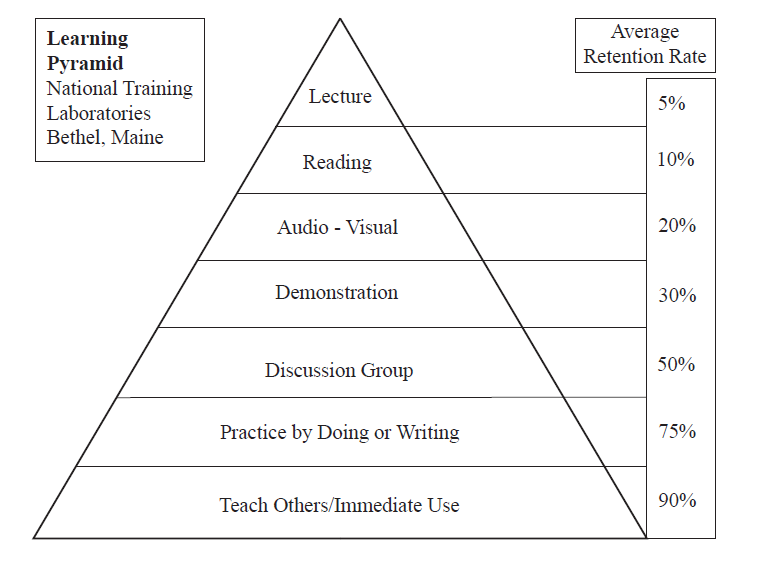
A: Engagement matters. Training that utilizes interactive webinars, live sessions, and assignment-based follow-up retains far more information than lecture-only approaches.
Q: Why invest in ongoing support rather than just the implementation?
A: Because workflows evolve, new features are released, and staff change over time. Ongoing EHR support and EHR service ensure you don’t fall behind.